END OF FINANCIAL
YEAR APPEAL 2026
Behind every case number is a human being
Since 1995, the Irish Support Agency has provided front-line support, to anyone in the Irish Australian community who finds themselves in circumstances of vulnerability or distress.

Every year, hundreds of Irish Australians turn to the Irish Support Agency in their most vulnerable moments. They are people we all know, and this financial year, we need your help to be there for them.
Think of the people in your life, the friend who moved to Sydney for a fresh start, the teammate who always seemed to be holding things together, the colleague who quietly struggled after a tough year. The people who come to the Irish Support Agency are not strangers. They are part of our community, our clubs, our workplaces, our friendship groups.

From 1st July 2025, the Irish Support Agency has supported 350 people across NSW. These are people navigating bereavement, workplace accidents, unemployment and, increasingly, mental health challenges such as anxiety, depression, psychosis and addiction. We have also seen a significant rise in domestic and family violence cases, emerging in ways we could not have anticipated.
This year, our Outreach Team, Mairead and Connie, travelled more than 4,000 kms across Greater Sydney. For some of the seniors they visit, this support provides their only face to face connection. Senior support has become our largest area of need, with 59 people assisted this year. Mental health support was the second highest area of demand, with 37 people seeking assistance.
We also provided 47 food and clothing vouchers to individuals experiencing financial hardship. As cost of living pressures continue to affect communities across Sydney, the need for the services and support offered by the ISA has never been greater.
Donations must be received by 30 June to count as a tax-deductible gift this financial year. Every dollar you give before midnight on 30 June makes an immediate difference.
Will you stand with the Irish community this EOFY?
Your donation helps ensure that when someone in our community needs support, they find it. It funds senior outreach, mental health assistance, emergency food and clothing, and the quiet, tireless work that never makes headlines but changes lives. Please give before 30 June.
The Irish Support Agency is a registered charity. Donations of $2 or more are tax-deductible. All funds raised support Irish Australians in NSW.
The following case study is based on a real ISA client experience. Some identifying details have been changed to protect the individual's privacy and confidentiality.

The client is a 58 year old male originally from Ireland who migrated to Australia in his early 20s. Throughout his adult life, he has experienced significant mental health challenges linked to severe trauma and institutional abuse suffered during his childhood in Ireland. As a result, the client lives with ongoing PTSD, anxiety, depression, and long-term addiction issues.
These experiences have had a profound impact on his ability to maintain stable relationships, sustain employment, and manage everyday stressors. Due to the severity of his mental health conditions, the client has been unable to work and has required ongoing support to maintain stability within the community.
The client initially engaged with ISA during a particularly vulnerable period while attending court in relation to an assault charge. At the time, he was highly anxious, overwhelmed, and struggling to cope emotionally. Following this period, the client entered rehabilitation to address his addiction challenges.
However, due to circumstances beyond his control, he subsequently became homeless.
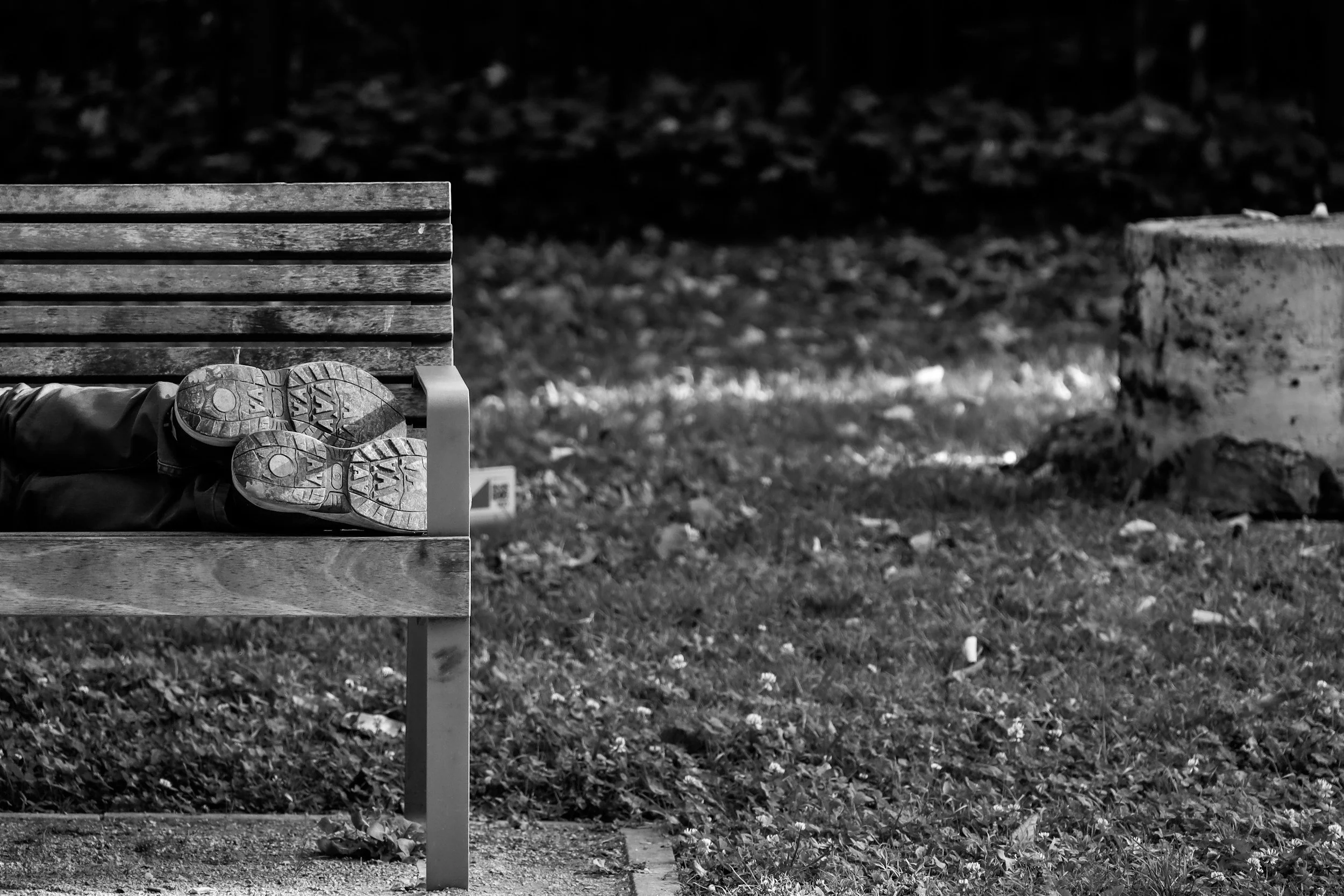
The client faced multiple and complex challenges, including:
Decades of unresolved trauma stemming from childhood institutional abuse
Co-occurring PTSD, anxiety, depression, and addiction
An inability to sustain employment, leaving him financially and socially vulnerable
A sparse support network, meaning there was no safety net when things fell apart
Repeated cycles of housing instability and homelessness - experiences that actively retriggered his trauma
The added pressure of legal proceedings and the ever-present fear of eviction
Without intensive outreach and advocacy support, the client was at significant risk of ongoing homelessness, worsening mental health, and further disengagement from services.
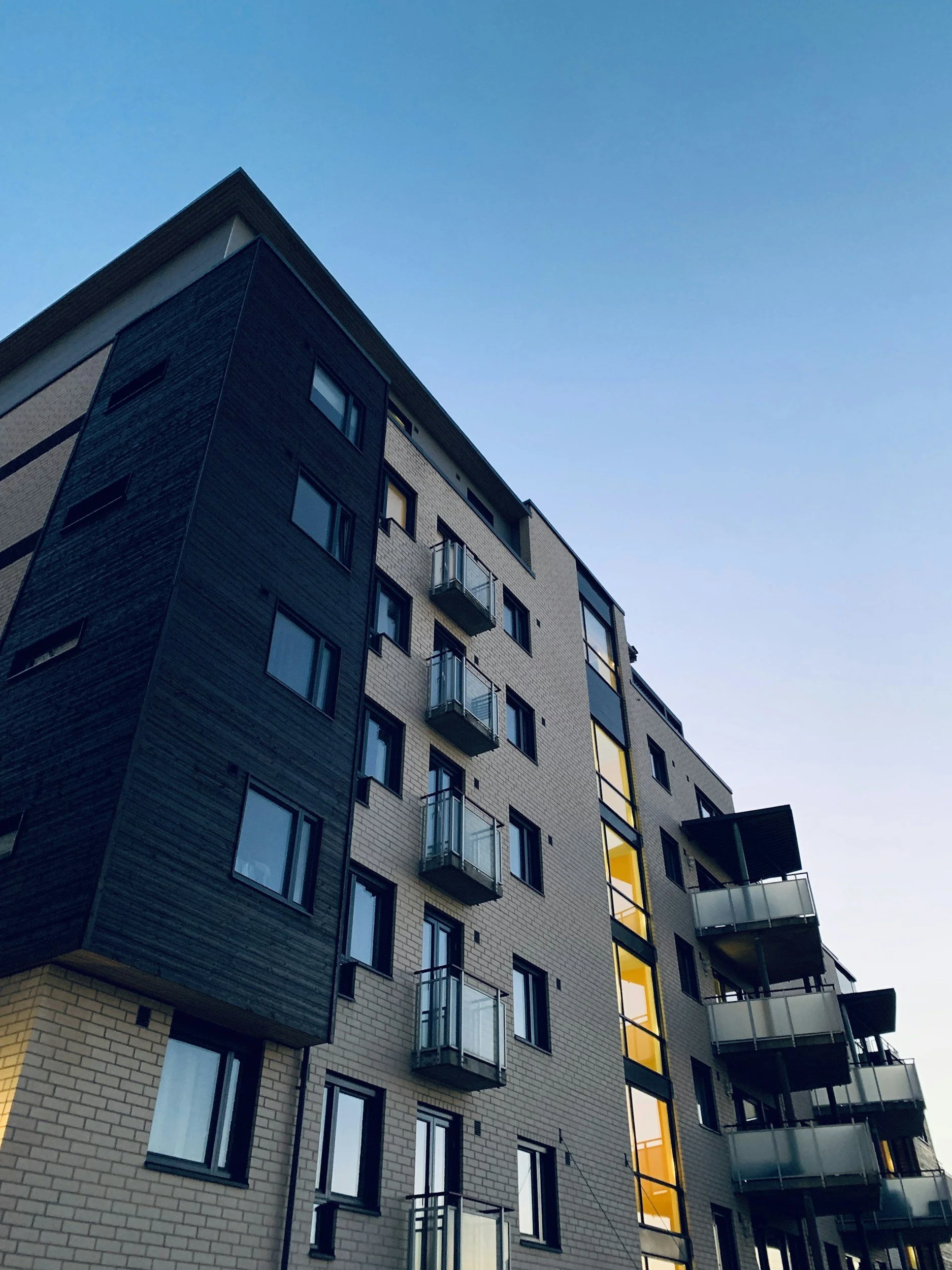
The ISA’s Outreach team provided intensive, person-centred support focused on stabilising the client’s housing situation and improving his overall wellbeing. When the client first became homeless, we dedicated extensive time and effort to sourcing suitable accommodation. This involved:
Contacting housing providers and charities
Attending and arranging property inspections
Advocating on the client’s behalf with accommodation services
Completing housing applications and paperwork
Coordinating the client’s move into stable accommodation

Once appropriate housing was secured, we continued to provide practical and emotional support. Regular welfare check-ins, transport, rehabilitation support, and help accessing essentials like clothing ensured he could safely rebuild his life in the community.
Unfortunately, less than three years later, the client again faced housing instability and possible eviction. This situation caused significant stress and resurfaced past trauma. Our Outreach Worker again provided intensive support and advocacy by:
Attending meetings with accommodation managers to negotiate possible alternatives to eviction
Searching extensively for suitable accommodation across Sydney
Transporting the client to multiple property inspections
Assisting with decluttering and preparing belongings for relocation
Coordinating furniture removal and logistics
Supporting the client emotionally throughout the process
We maintained consistent engagement with the client during periods of heightened stress, helping him remain connected to support services and reducing the risk of crisis escalation.
Through ISA’s ongoing outreach and advocacy support, the client was able to secure and maintain safer accommodation during periods of significant vulnerability. The support provided helped prevent prolonged homelessness and ensured the client remained engaged with rehabilitation and community support services.